Horse Racing Draw Bias Analysis: Which UK Courses Favour Inside or Outside Stalls
 Available in US
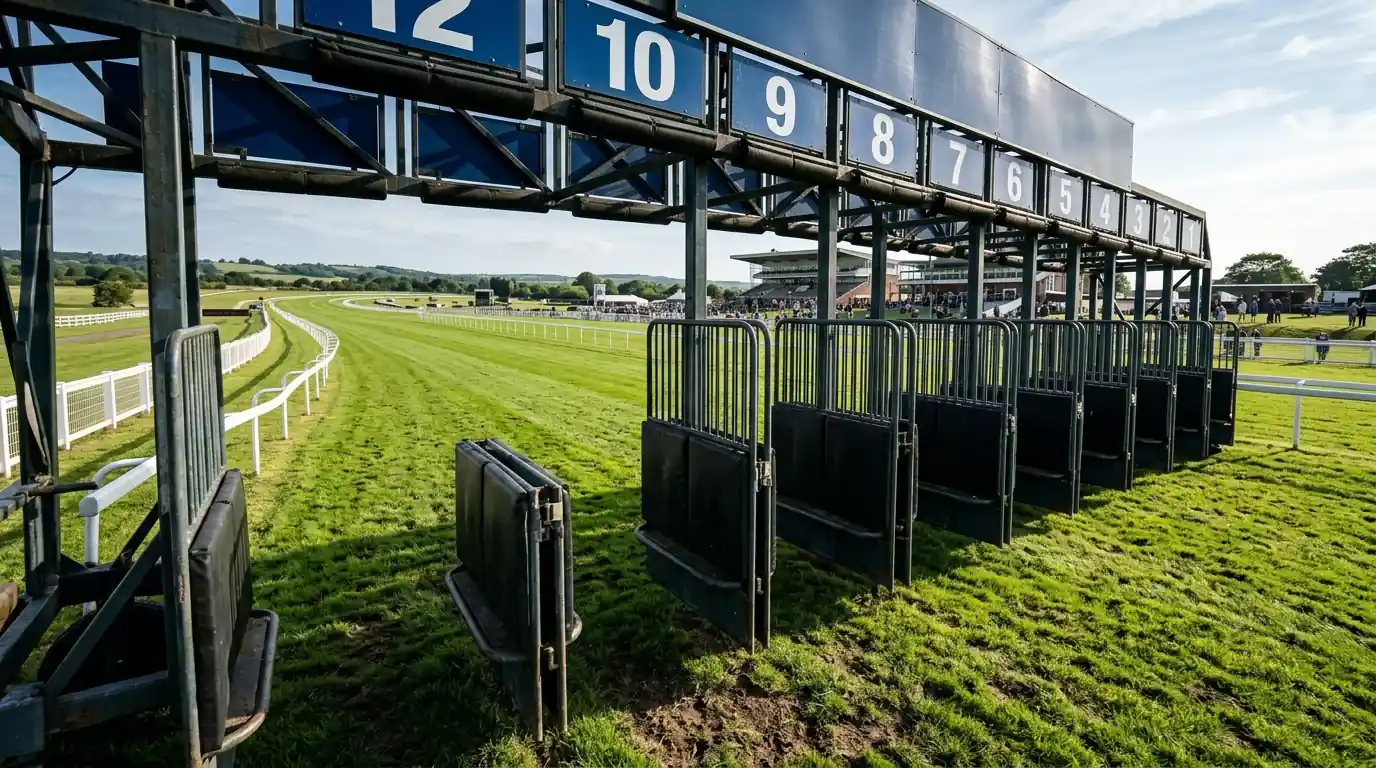
The first time I noticed the draw mattering was at Chester on a May afternoon, watching a 6/4 favourite stuck wide throughout from stall 14 and finishing fifth in a five-furlong sprint. The horse that won, drawn one, hadn’t been ridden any differently or trained any harder. It had simply been given a starting position that mattered more than any other factor in the race. I went home that night and started reading about draw bias, and I’ve been reading about it ever since.
Draw bias is one of the few situations in racing where pure geometry beats pure form. Some UK courses give horses drawn on certain sides of the track a structural advantage that no amount of jockey skill or horse ability can fully overcome. Knowing which courses, in which conditions, and at which distances those biases apply is the kind of edge that compounds quietly across a season — most punters ignore the draw column entirely, and that’s exactly why the few who use it stay ahead.
This article covers why the draw matters on flat courses, the course-by-course breakdown for UK racing, how going conditions shift draw advantages, and how to incorporate draw data into your selections without falling into the trap of mechanical betting.
Why the Draw Matters on Flat Courses
The starting stalls are not symmetrical features of a race. On a perfectly straight course with uniform ground, the draw would be irrelevant — every horse would face the same conditions and the race would be decided by ability alone. UK racecourses are not perfect straight lines with uniform ground. They have bends, cambers, drainage patterns, rail movements, and prevailing wind directions that systematically favour some draws over others.
The clearest type of draw bias is on courses where the track configuration forces early-positioned horses to lose ground. Most UK flat courses involve at least one bend, and the shortest route around any bend is on the inside rail. Horses drawn wide have further to travel to reach the inside before the bend, and if they don’t reach it, they carry the geometric penalty all the way to the finish. Over five or six furlongs, this can be the equivalent of one or two horse lengths — enough to decide the result in a tight finish.
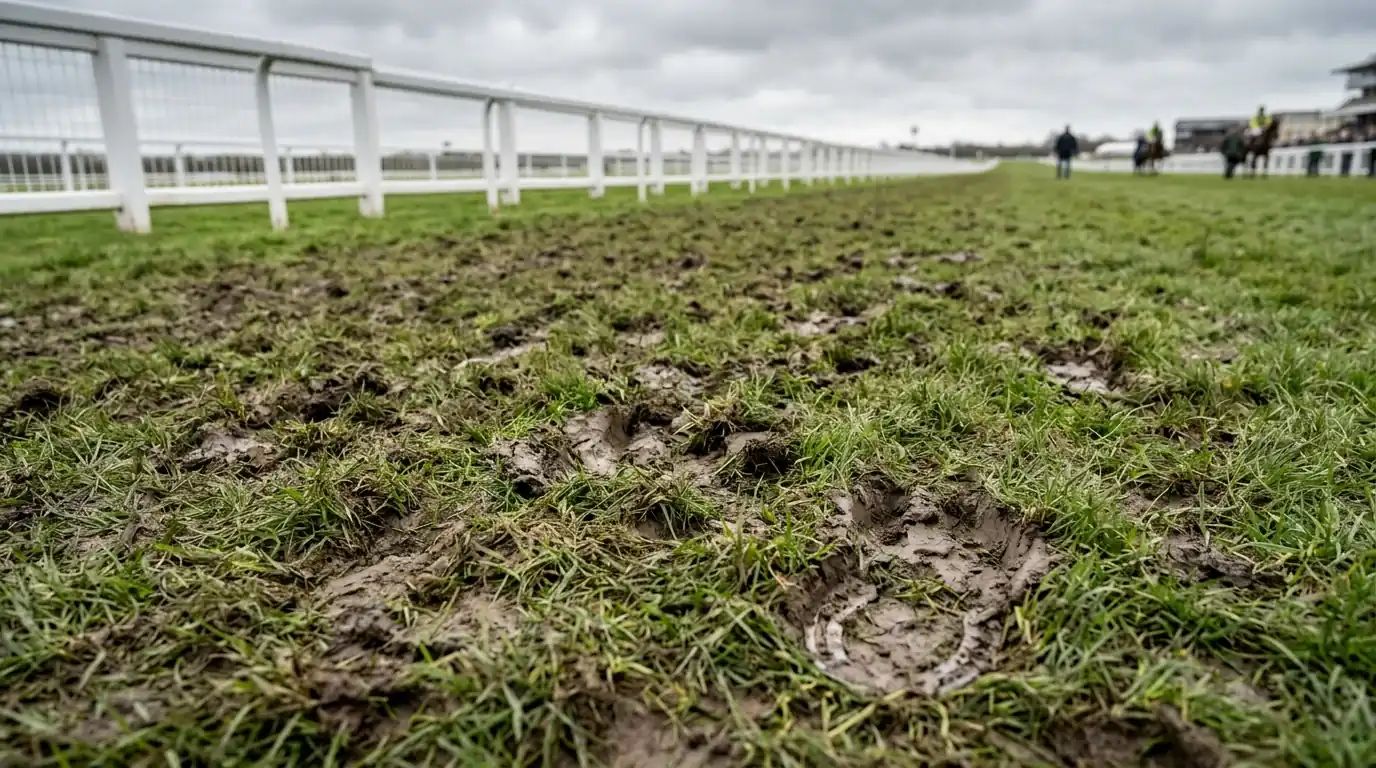
The second type of bias comes from ground conditions. Many courses don’t drain evenly across their width. After heavy rain, the inside rail might be churned up while the centre and stands’ side remain firmer. After prolonged dry weather, the opposite can happen. Horses drawn on the favoured side of the track gain a small but consistent advantage that compounds across the field.
The third type is wind and run-in geometry. On finishing straights where horses run uphill or into prevailing winds, the side of the track that offers shelter or favourable footing creates an edge. This effect is subtler than configuration bias but it shows up clearly in long-term data at certain courses.
What needs emphasising: draw bias is most pronounced in races between five and seven furlongs. Once you stretch beyond a mile, horses have time and space to overcome their starting position, and the bias washes out. The races where the draw matters most are sprints and short milers, particularly in big-field competitive handicaps where small advantages decide outcomes.
Course-by-Course Draw Bias Breakdown
The patterns vary considerably across the UK calendar. Some courses have biases that are well-known and priced into the market. Others have subtler biases that still offer genuine edge if you study them.
Chester is the most famous draw-biased track in Britain. The course is a tight left-handed oval where horses are running into a bend almost from the moment the stalls open. Low draws on the inside have a marked advantage at every distance, but the effect is most extreme over five furlongs. Stalls one to four in a competitive Chester sprint produce winners at rates well above their share of the field. Stalls eleven to fourteen produce them at rates well below. A horse drawn ten in a fourteen-runner Chester sprint is fighting the geometry before the jockey has even thought about tactics.
Beverley over five furlongs runs uphill from the start, and the rail position again offers a consistent advantage. High draws struggle materially on the round course, where horses drawn wide on the descent must lose ground to reach the inside rail. The pattern is consistent enough that experienced punters automatically discount any high-drawn favourite in a Beverley sprint.
Chester and Beverley represent the strong end of the bias spectrum. At the milder end, Lingfield’s all-weather track has historically shown a slight preference for low draws over five and six furlongs, particularly in larger fields, but the effect is small enough that it shouldn’t override form considerations on its own.
Goodwood’s draw patterns shift dramatically with distance. Over the five-furlong straight course, high draws have historically held a small advantage because the stands’ side ground often runs faster. Over the round seven furlongs and mile distances, the bias becomes more complex — low draws benefit from the inside line into the home straight, but only if the horse can secure that position. Outside draws can compensate by riding wider and getting clear running, but require strong stamina.
Newmarket’s Rowley Mile and July Course present an interesting case. Both are essentially straight tracks for most of their length, which should suggest minimal draw bias. In practice, the ground often dries differently across the wide expanse, and the standard pattern is that one side rides faster than the other depending on recent weather. Newmarket draws shift with conditions more than at almost any other UK track, making historical course-bias data less reliable than current ground reports.
Ascot’s straight course is wide enough that draw bias often emerges from where horses race rather than where they’re drawn. Big-field races see jockeys racing in groups, and the side that attracts the strongest jockeys often outperforms — but that’s a function of human behaviour rather than course geometry.
Newcastle, York, and Doncaster have shown variable biases over the years, generally minor enough that form work should dominate selection. Hamilton, Catterick, and Pontefract are smaller tracks with tight bends where draw effects can be sharper, particularly over the minimum trip.
How Ground Conditions Change Draw Advantage
The same course can have different draw biases on different days, and the variable that shifts the pattern most is going condition. A track that favours low draws in Good ground might favour high draws in Heavy. Reading the bias correctly requires reading the ground first.
The Q1 2025 BHA Racing Report noted that 87.6% of races started within two minutes of their scheduled time — a useful proxy for course management efficiency, but more importantly a reminder that the courses themselves are tightly monitored for surface consistency. When the going report says Soft or Heavy, watering and drainage history have produced ground that horses experience differently across the track width.
The standard pattern: after heavy rain or watering, the rail position (inside) often becomes wetter and more cut up, while the stands’ side (outside) remains marginally firmer. In this scenario, biases that favour low draws in Good ground can reverse — horses drawn higher get a faster strip and gain accordingly. Tracking the going report alongside the draw column tells you which way the bias is likely to lean on any given day.
The opposite happens after prolonged dry weather. Rail positions can ride faster because the ground packs down with use, while centre and outside positions remain looser. Low draws in this scenario become even more favoured at courses where they already have a structural edge.
The honest truth is that single-day going reports can be misleading. A track described as “Soft” in the morning report might dry out significantly by the time the third race goes off. Watching the first one or two races for clues about which part of the track is riding fastest is the cleanest in-day signal. If the early winners are consistently drawn on one side, the draw bias is alive that day even if the historical course average suggests otherwise.
This adaptive reading of draw bias is where most casual punters lose money. They look at “Chester favours low draws” once, apply it forever, and ignore the days when the bias has been temporarily neutralised by ground conditions or rail movements. The data only helps when read in context.
Incorporating Draw Data into Your Selections
Knowing the draw bias exists is one thing. Using it without becoming a mechanical bettor who ignores form is another.
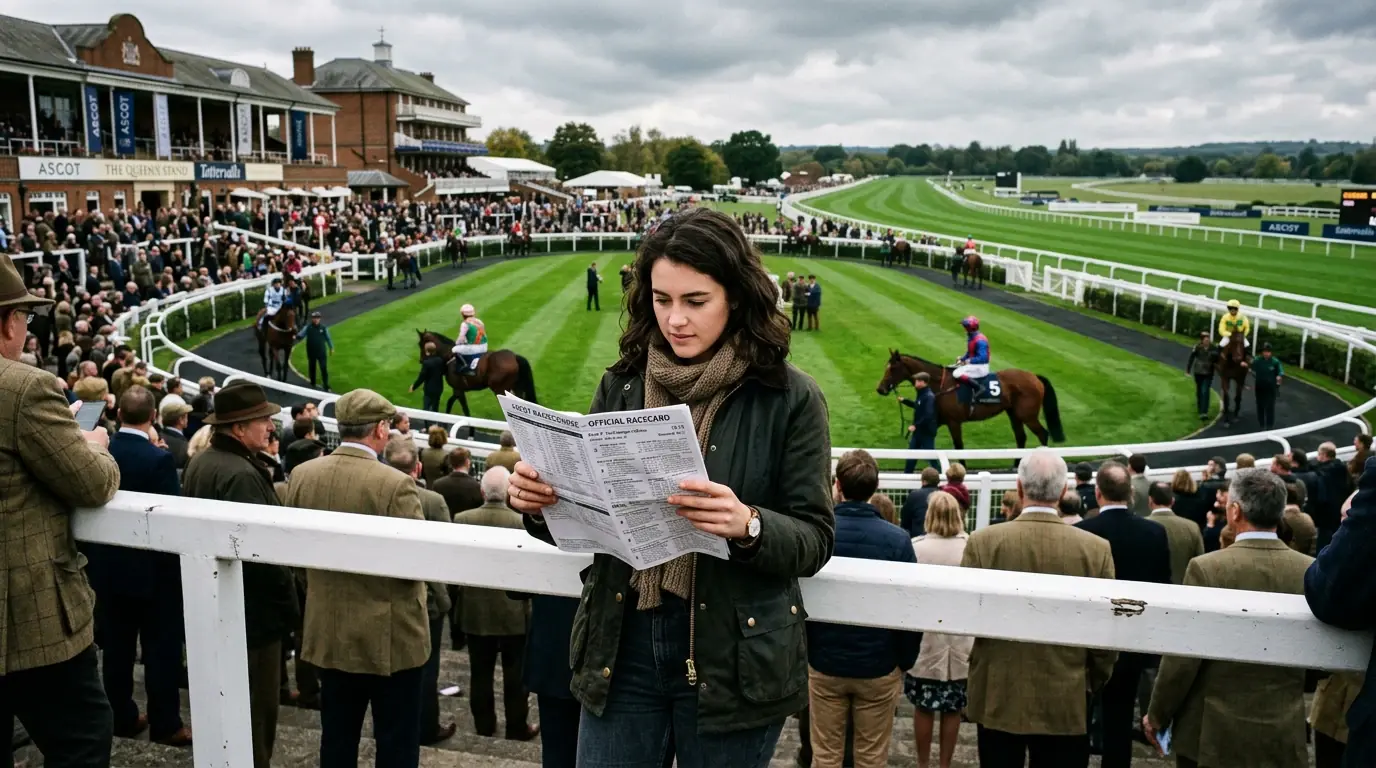
The framework I use: treat draw as a filter, not a selection method. Start with form analysis — the horses you’d back based on recent results, going preferences, class, and trainer form. Then apply the draw filter as a final check. Does my preferred selection sit in a draw position that’s historically favoured at this course in these conditions? If yes, the bet is reinforced. If no, the bet needs to be downgraded — either smaller stakes or eliminated entirely.
The corollary is more powerful: when a horse you fancy on form is drawn against the bias, ask yourself whether the form is strong enough to overcome the geometric handicap. Over short trips at draw-biased courses, the honest answer is usually no. A 5/2 favourite drawn wide at Chester over five furlongs is almost always a worse bet than the price suggests, because the bias is doing damage that hasn’t been priced in.
The reverse applies. A horse drawn in a favoured stall, with reasonable form, can be a better bet than its price suggests. Markets often underweight draw bias compared to its actual effect, particularly outside the most famous course-distance combinations. A 10/1 horse drawn one at Beverley over five furlongs with proven Beverley form is the kind of opportunity that turns up regularly and rewards the punter willing to factor in stall positions.
For deeper context on how form integrates with these other variables, my full guide to horse racing form analysis walks through the systematic approach to reading the racecard that draw data complements rather than replaces.
One practical habit: keep a personal draw bias note for the courses you bet most often. Track every five-, six-, and seven-furlong handicap winner at those courses, note the draw, and recalculate the running winning rates by stall position monthly. After a season’s data, you’ll know more about that specific course’s current bias than most published guides — and the current bias is what matters, not the bias of five years ago.
Where the Draw Stops Mattering
Two situations effectively neutralise draw bias even on the most biased courses. Recognising them keeps you from over-applying the framework.
The first is when the field is small. A six-runner field at Chester over five furlongs has enough space for every horse to ride a fair race regardless of stall position. Draw bias requires competition for the favoured ground or favoured lines, and that competition emerges from crowded fields. Anything under eight runners, the effect typically washes out.
The second is when the trip is long enough. Beyond a mile, horses have time to reposition. A miler drawn poorly can be ridden behind, taken to the rail by the bend, and finish at the rail just like a horse drawn perfectly. Over a mile and a half or further, draw is essentially a coin toss except in races run on tracks with extreme camber issues.
Use draw bias where it matters — sprints and short milers in competitive handicaps at known biased tracks — and ignore it where it doesn’t. The discipline of when to apply the tool is as important as the tool itself.
Which UK flat courses have the strongest draw bias?
Chester is the most pronounced, with low draws strongly favoured at every distance but particularly over five furlongs. Beverley over five furlongs uphill and the round course favours low draws. Goodwood, Lingfield, and certain northern tracks show milder but consistent biases that emerge over short trips in competitive fields.
Does draw bias change depending on going conditions?
Yes, and significantly. After heavy rain the inside rail often becomes wetter and slower while the stands’ side rides faster, potentially reversing biases that exist in dry conditions. After prolonged dry weather, the inside can pack down faster and amplify existing low-draw biases. Always read the going report and watch the early races for in-day signals before trusting historical course averages.
Prepared by the Horse Racing bet Strategy editorial staff.