In-Form Stable Following: How to Identify and Profit from Hot Trainers in UK Racing
 Available in US
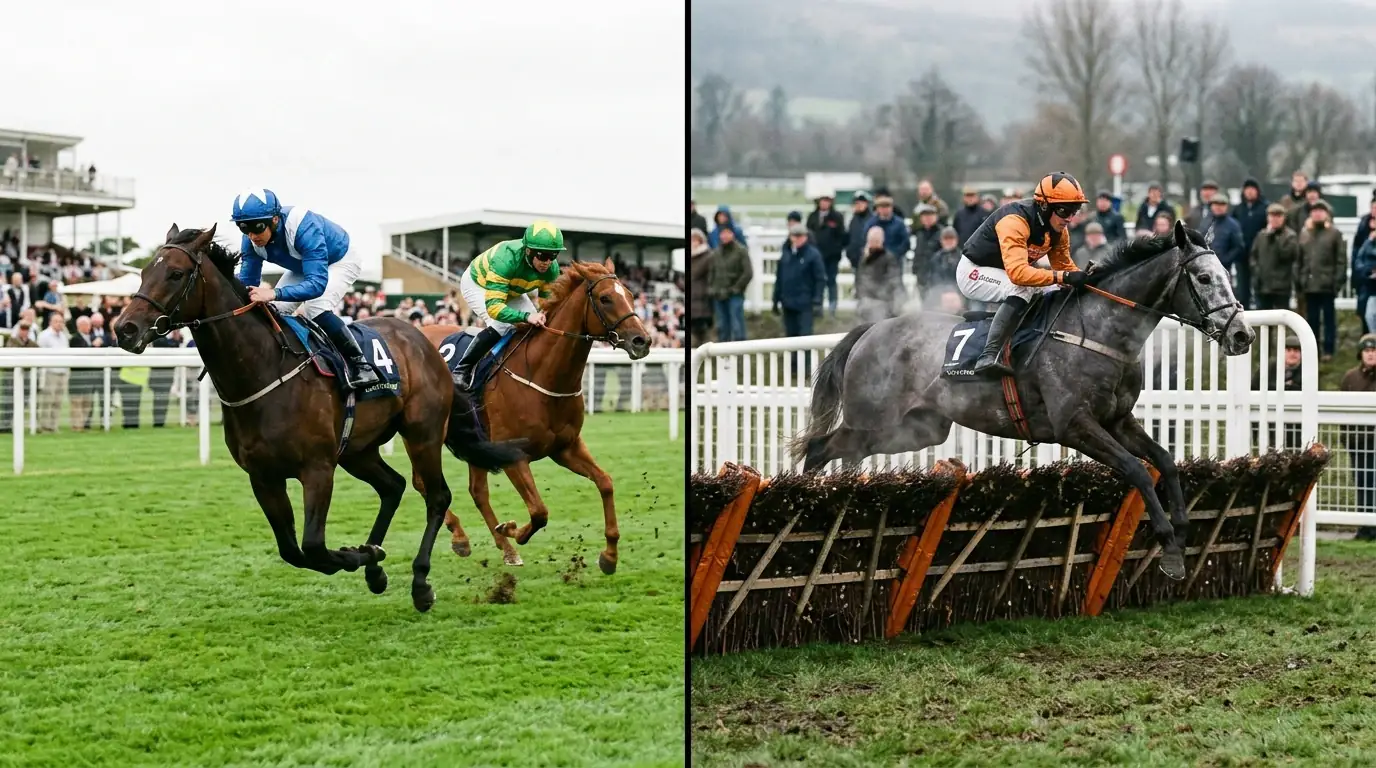
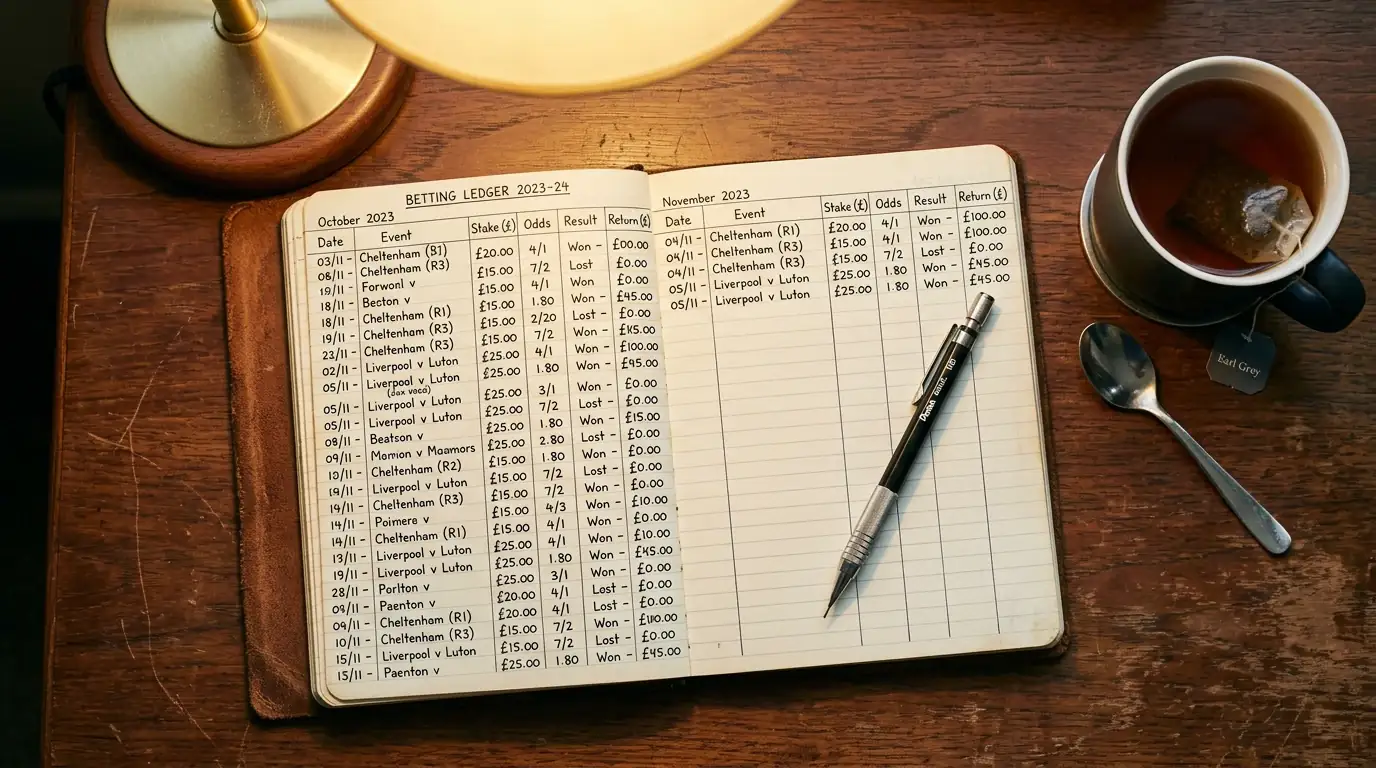
The autumn of 2019 changed how I thought about trainer form. I’d been watching a small Yorkshire-based jumps yard for years without ever betting their horses systematically. Across a five-week stretch from late October into early December, the yard produced eleven winners from twenty-eight runners — a strike rate of around 39% when the trainer’s career average sat comfortably below 20%. The trainer himself said simply that everything had clicked at the same time — the horses were fit, the ground was right, and the gallops had been producing positive signals for weeks. Backing a small selection of those horses transformed what would have been a quiet autumn into one of my better short-term betting periods.
Hot streaks like that happen across every UK racing season at multiple yards. They’re not random; they reflect real underlying conditions — the alignment of fitness, ground, target races and stable health that produces clustered success. The structural insight for punters is that horses from a yard in a hot streak run materially better than the same horses would run from the same yard in a fallow patch. Recognising the streak in real time is the analytical challenge worth solving.
This article walks through how to spot a stable entering a hot streak, where to track trainer form in real time, how to time bets across the seasonal calendar and which patterns produce the best stable-following returns, and where the strategy fails when applied carelessly.
How to Spot a Stable Entering a Hot Streak
The signs of a stable hitting form appear in the days and weeks before the wins start arriving. Reading those signs in real time gives a structural head start over backing horses after the form has become obvious to everyone.
The first indicator is the running pattern of the horses, not just the winning ones. A yard entering form starts producing horses that run beyond their official ratings — third-placed horses beaten by lengths that should have been bigger gaps, fourth-placed horses finishing strongly through the line, horses placing at long prices in races where the form line suggested they had no realistic chance. These performances accumulate before the headline winners arrive. A yard that’s produced three or four creditable losing runs across a week, where the horses are running better than their figures suggested they would, is showing the early signal of form arriving.
The second indicator is the recent strike rate compared to the seasonal average. Every trainer has a baseline strike rate that holds across a normal year. When that rate doubles or triples across a rolling 14-day window, something has shifted in the stable. The shift might be temporary — a single fit horse winning twice within a fortnight — but more often it reflects underlying stable health that will produce continued success across the following weeks. Tracking 14-day and 30-day strike rates relative to seasonal baselines gives the cleanest read on which stables are heating up.
The third indicator is the structural context. UK runner numbers are projected to decline 6 to 7% between 2024 and 2027, with the contraction concentrating competitive horses in fewer races. Stables with healthy strings benefit from this concentration. A yard producing 15% of its annual winners across a single fortnight stands out more clearly in a contracting overall market.
The fourth indicator is the comments around the yard. Trainers in form often signal it directly in interviews. These comments are easy to dismiss as routine, but they accumulate in distinctive patterns when the yard is entering form. A trainer who hasn’t been talking up his horses, then suddenly starts being positive across multiple interviews, is signalling something about internal stable conditions.
The fifth indicator is the entries pattern. Stables in form often increase entries — declaring horses for races they wouldn’t normally target, dropping horses into races where they’re effectively guaranteed prize money. The expanded activity reflects confidence about the horses’ readiness. Stables in fallow patches tend to reduce entries.
Prize money across UK racing reached a record £194.7 million in 2026. Yards in form tend to align their targeting with the available prize money, producing the dual signal of competitive entries and successful results that defines a genuine hot streak.
Where to Track Trainer Form in Real Time
The data infrastructure for tracking UK trainer form is more developed than casual punters often realise, and the major sources update daily during the racing season.
The Racing Post trainer pages provide the broadest data, with 14-day strike rates, profit and loss figures at level stakes, and rolling profitability metrics across the year. The data is updated daily and breaks down by code (flat versus National Hunt), surface (turf, all-weather, hurdles, chase) and class level. A trainer showing a 14-day strike rate substantially above their season baseline, with positive level-stakes P&L across the period, is showing the cleanest evidence of being in form.
The Sporting Life trainer statistics provide similar coverage with slightly different visualisation, useful as a cross-check on the Racing Post figures. Some statistical services provide more granular data — strike rates at specific course-distance-going combinations, jockey-trainer combinations, equipment-change patterns. The deeper data becomes useful once the basic hot-streak identification has highlighted a specific yard worth tracking more closely.
The exchange markets themselves provide indirect data. Betfair Exchange matches new bets approximately every 50 seconds across active pre-race markets, with average participation around 9.86 punters per market. The price movements on horses from yards entering form often start showing in the pre-race exchange markets before the broader fixed-odds bookmakers catch up. A horse from a yard in form being heavily backed at the exchange but holding a longer fixed-odds price is one of the cleaner structural overlays available in UK racing.
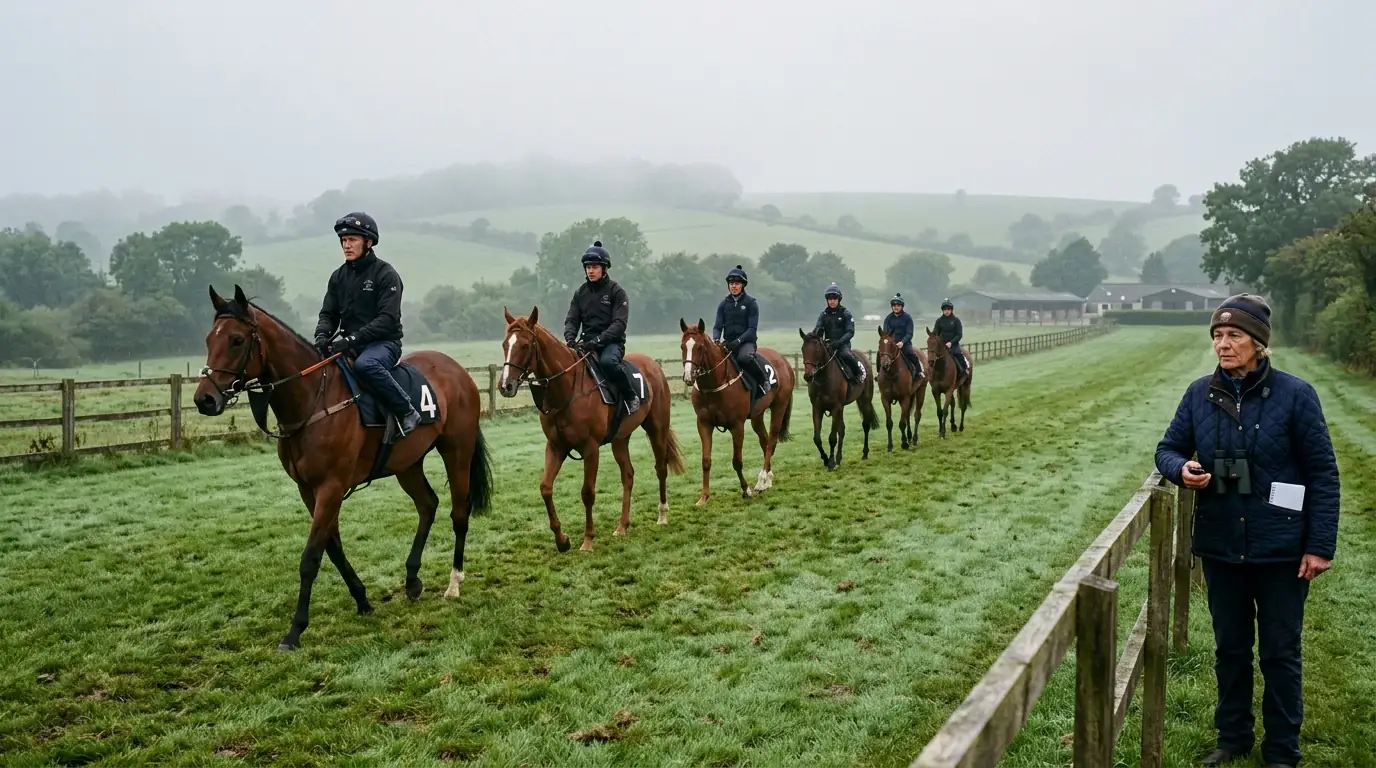
The local racing press matters too. Local journalists who walk past stable strings in the morning often pick up form signals before the wider racing media. The cumulative pattern of positive local commentary from trustworthy sources adds to the case for a yard entering form.
Richard Wayman, Director of Racing at the British Horseracing Authority, summarised the broader structural picture directly: “The horse population continues to decline and the betting environment remains challenging.” The contracting horse population concentrates the analytical attention on stables that are producing genuine quality from fewer runners, which is precisely the population most worth tracking through the hot-streak lens.
Timing Your Bets: Early Season, Mid-Season and Festival Peaks
The seasonal calendar produces predictable patterns in when different yards enter form, and matching the stable-following strategy to those patterns improves the structural returns from the approach.
The early season is when many yards reveal their first form indicators. For flat racing, the spring period from late March through May produces the first competitive runs from horses returning from winter breaks. Yards that have prepared their horses through the winter at home or on the all-weather often appear in form across April and May, with the strike rates lifting before the casual market has caught up to the trainer’s emerging momentum. For National Hunt, the October-November period serves the same function — yards revealing their early-season fitness before the major winter campaigns begin in earnest.
Mid-season is when the established form patterns settle. By June for flat racing or January for National Hunt, the yards in genuine form have produced enough evidence to make their hot streaks visible to the wider market. The structural opportunity narrows correspondingly — the prices on horses from these yards reflect the form, and the value comes from identifying the second-tier yards moving into form rather than continuing to back the obvious ones.
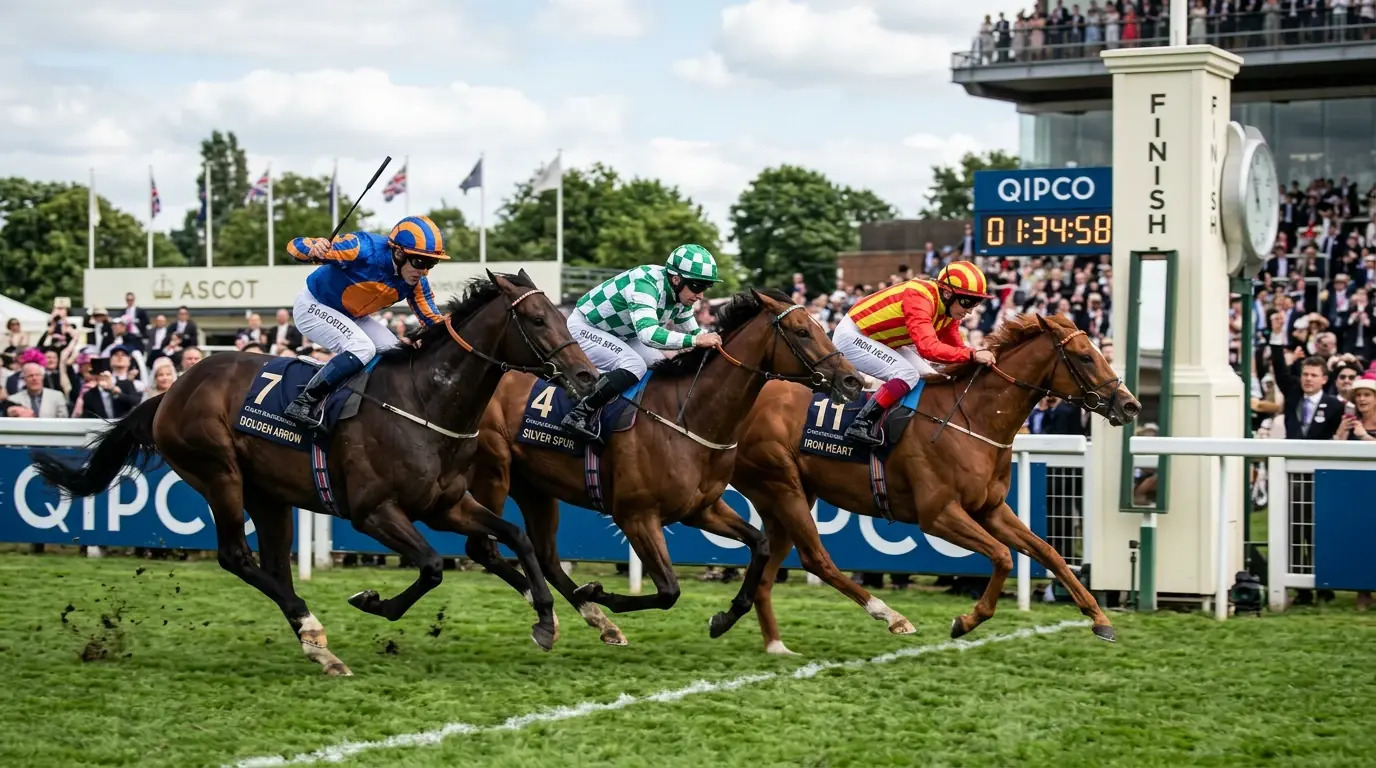
Festival peaks concentrate analytical attention but also pricing efficiency. Royal Ascot in June, the Cheltenham Festival in March and the Grand National meeting in April all draw the elite stables to the same fixtures. The yards arriving at these meetings in genuine form usually have prices that reflect their form; the value sometimes comes from yards arriving in form whose status the broader market hasn’t fully recognised. Prize money across UK racing rose 3.5% to the record £194.7 million in 2026, with the festival meetings continuing to anchor the year’s biggest pools.
The closing months of each code produce a specific opportunity pattern. The late-October-November period in flat racing, and the late-March-April period in National Hunt, often see yards making final pushes to capitalise on their seasonal momentum before the calendar resets.
When Stable Following Fails: Common Traps
The strategy doesn’t work uniformly. Recognising the failure patterns is as important as recognising the success patterns, because the failure patterns destroy bankrolls when applied blindly.
The first trap is backing horses purely because the stable is in form, without regard to the individual horse’s analytical case. A yard winning at 35% across a fortnight doesn’t mean every horse from that yard wins at 35%. The strike rate reflects the population of horses, not any specific runner. Backing horses without underlying form, conditions and price analysis produces high volume with no individual edge.
The second trap is following yards into class jumps. A trainer winning Class 4 and Class 5 handicaps consistently doesn’t automatically transfer that form to Class 2 or Group races. Hot-streak edge dilutes rapidly across class transitions.
The third trap is timing the strategy too early or too late. Backing yards before the hot streak has produced confirming evidence wastes stakes on speculative volume. Backing yards after the streak has become obvious to the wider market produces bets at prices that reflect the form, eliminating the structural overlay. The window of profitable stable following sits in the middle — after the early signals have appeared but before the broader market has fully repriced the yard’s horses.
The fourth trap is over-staking during apparent winning streaks. The psychological pull of a yard delivering winners produces upward pressure on stake size, with each winner reinforcing the temptation to bet bigger on the next one. The variance of any specific strategy means losing streaks within a winning period are inevitable, and over-staked positions during these mini-drawdowns produce disproportionate damage. Standard stake sizing survives the variance; aggressive staking during apparent hot streaks doesn’t.
The fifth trap is misreading the form indicator. Some apparent hot streaks reflect single horses being aimed at specific targets rather than yard-wide form. A trainer with two wins in a fortnight, both from the same specialist, hasn’t entered yard-wide form. Distinguishing yard-wide form from horse-specific success is the analytical work that separates the punters who profit from the strategy from those who follow it ineffectively.
For complementary context on how trainer form intersects with broader form analysis, my full guide to horse racing trainer and jockey statistics walks through the strike rates, course specialists and winning combinations that anchor the analytical work around UK racing connections.
Building the Strategy into a Season
The stable-following approach works best as a complementary layer to other analytical work rather than as a standalone strategy. The punters who profit from it consistently treat it as one input among several — alongside form analysis, going and going-suitability work, draw analysis, and value-pricing assessment. The combined picture is what produces the structural edge; the stable form on its own is one signal among several.
The 2026 calendar continues UK racing’s strong commercial foundations. The 6 to 7% projected runner decline between 2024 and 2027 is real, but the contraction concentrates competitive runners in major races and produces tighter pricing — making analytical work more valuable, not less. Within that picture, the stables consistently producing competitive horses across the contracting field deserve the analytical attention that stable-following provides.
The discipline that sustains the strategy across a long season is patience. Hot streaks come and go; the yards in form this fortnight may be in fallow form next month. Tracking the rolling indicators rather than committing to fixed yard preferences keeps the strategy responsive to the current state of UK racing.
How many consecutive winners indicate a genuine stable hot streak?
No single number cleanly defines a hot streak — the indicator is the strike rate relative to the trainer’s seasonal baseline, not raw winner counts. A trainer whose seasonal average sits at 15% producing four winners from twelve runners across a fortnight is showing a doubling of the baseline rate, which qualifies. The same trainer producing four winners from forty runners shows nothing unusual. The 14-day and 30-day rolling strike rates compared to the seasonal average are the cleanest read on whether the streak is statistically meaningful.
Should I follow a hot trainer blindly or apply additional filters?
Apply additional filters. Stable form is one analytical input among several — alongside form analysis, going suitability, draw analysis and value pricing assessment. Backing every horse from a yard in form produces high bet volume with the structural costs of frequent betting eroding the stable-form edge. Disciplined stable-following picks the horses from in-form yards that also have positive individual cases, treating the stable form as a layer that strengthens an otherwise sound analytical decision rather than as a stand-alone reason to bet.
Prepared by the Horse Racing bet Strategy editorial staff.